Single-panel comics (scene illustrations)
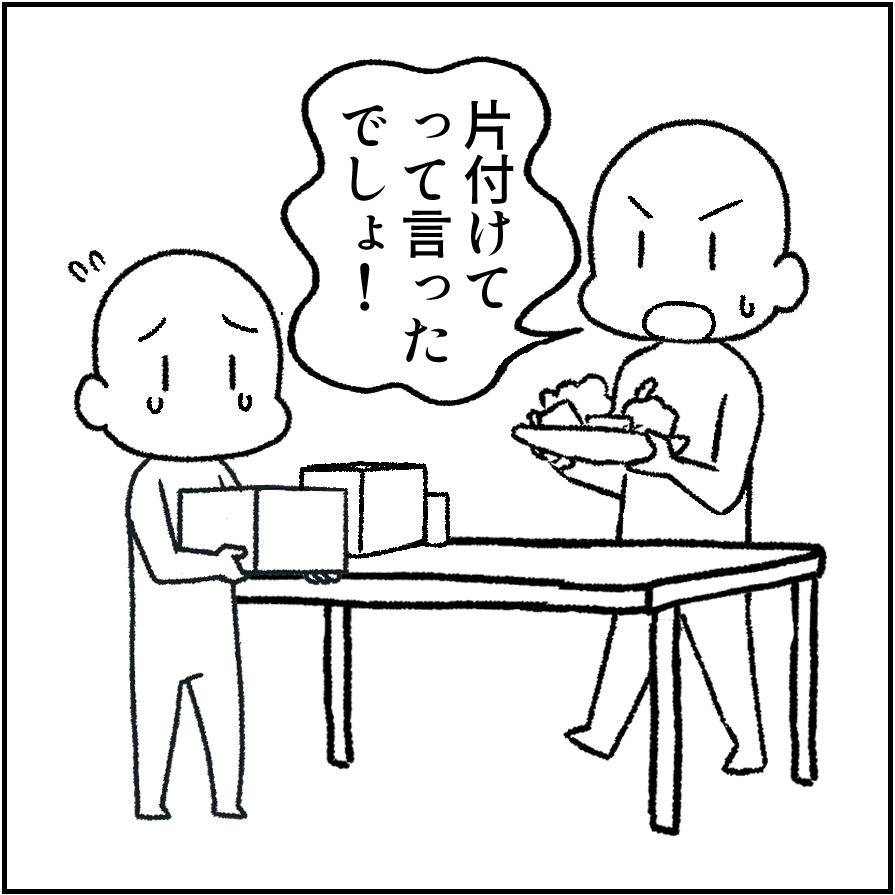
Use the materials as book illustrations or images to accompany social media posts.
Even a single panel can be a comic if it uses dialogue or an image to convey a situation!
What can you use them for?
• Use images, dialogue, and diagrams to show situations that are difficult to explain in words alone.
• Reinforce a written or spoken message with pictures and dialogue.
Where to use them (examples)
• Illustrations in books and documents
• Images for social media posts
and more
How can they help?
• Help readers understand the words and ideas you want to convey.
• Make the message accessible so people can reach a shared understanding.
Four-panel comics
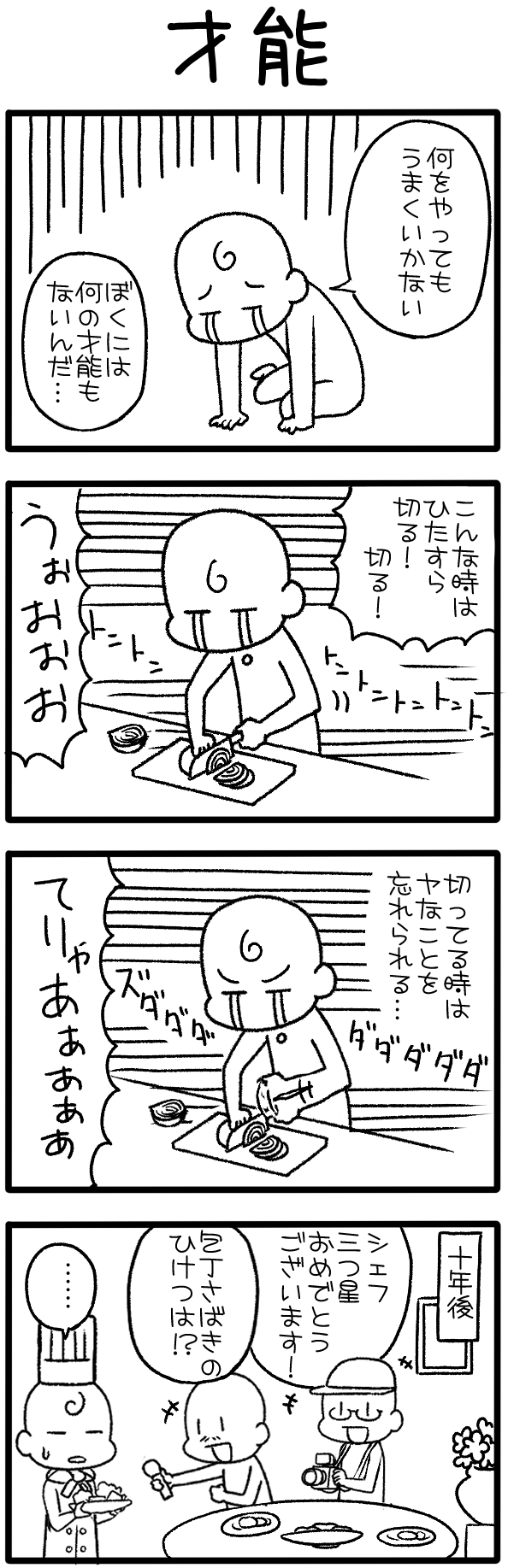
Combine Manga Materials to make comics.
For instructions, see How to Use the Materials.
What can you use them for?
• Tell a short story to communicate a message simply, briefly, and with emotion.
• Short stories are quick to create and easy to develop into a series.
(A good option if you need plenty of content.)
Where to use them
• Printed content such as newsletters, folded cards, and books
• Online content such as blogs and social media posts
How can they help?
• Stories let readers imagine an experience for themselves, making your message easier to relate to.
• A short story takes less of the reader’s time.
• Express a wide range of feelings briefly: joy, comfort, amusement, pain, sadness, and more.
Story comics
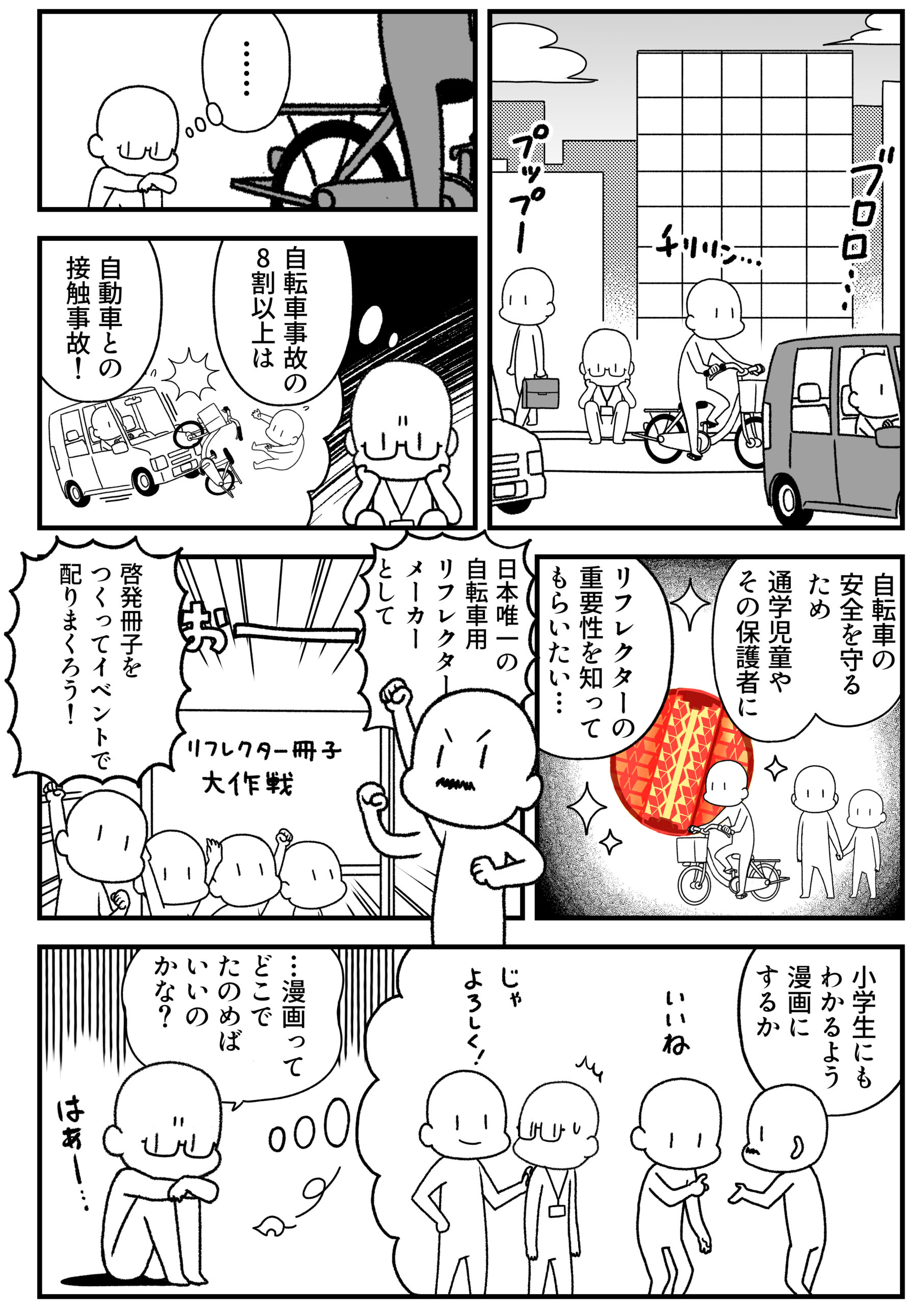
‘Chosen by an outstanding manufacturer! Why does Kakuya understand the passion behind manufacturing?’
Combine Manga Materials to create a comic.
You can use the materials throughout, as in the example,
or use them only for explanations and background characters.
What can you use them for?
• Tell a more detailed story than a four-panel comic, with emotional impact.
• Use characters’ actions and dialogue to make difficult written or spoken explanations easier to understand.
Where to use them
• Printed materials such as newsletters, booklets, brochures, and instructions
• Websites, blogs, and social media
How can they help?
• Stories let readers imagine an experience for themselves, making your message easier to relate to.
• Following a story in sequence makes the message easier to understand.